How to Choose the Best ASRS Systems for Your Warehouse Needs?

Time:2026-08-11 Author:Aria
0%

In today's fast-paced logistics landscape, choosing the right ASRS Systems is crucial for warehouse efficiency. Experts like Dr. Emily Chen, a leading specialist in automated storage solutions, once remarked, “A well-integrated ASRS can significantly reduce operational costs and improve accuracy.” This underscores the importance of selecting the best system tailored for your specific needs.

ASRS Systems come in various designs and functionalities. Each warehouse has unique requirements. Factors include storage space, inventory types, and order volumes. Evaluating these variables is essential before making a choice. Not all systems fit every operation, and a mismatch can lead to inefficiencies and higher costs.

However, it’s worth noting that even the best ASRS may come with challenges. Integration with existing systems can be complex. Additionally, employee training on new technology may need attention. Reflecting on these factors can enhance decision-making and ensure a strong return on investment.
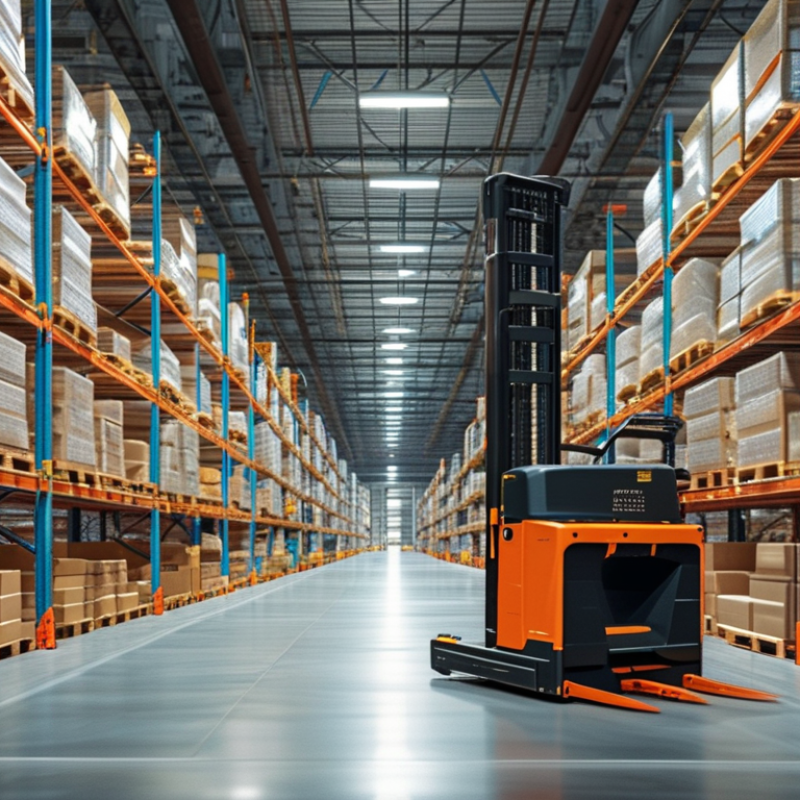
How to Choose the Best ASRS Systems for Your Warehouse Needs?

Factors to Consider When Choosing ASRS Systems for Warehousing

When selecting Automated Storage and Retrieval Systems (ASRS) for your warehouse, several factors are crucial. The first consideration is system capacity. According to industry reports, a well-implemented ASRS can increase storage density by 50% or more. This efficiency directly impacts operational costs and space utilization.

Additionally, assess the speed and cycle time of the ASRS. Systems that optimize retrieval speeds can significantly reduce order fulfillment times. Studies indicate that faster retrieval can double throughput, which is vital for meeting customer demands in today’s fast-paced supply chain.

Tip: Understand your peak volume needs. Scalable systems that adapt to fluctuating demand can save money.

Another factor is compatibility with existing warehouse management systems. Poor integration can lead to data silos. According to recent surveys, nearly 40% of warehouses face integration issues, negatively affecting inventory accuracy.

Tip: Prioritize systems with robust software support. This ensures seamless communication across your warehouse processes.

Cost is essential, but value is more critical. An expensive system may not deliver the necessary ROI. On average, warehouses report a 30% increase in efficiency with the right ASRS. Evaluate the long-term benefits, not just the upfront costs.

Understanding Different Types of ASRS Technologies Available Today

In today's fast-paced logistics environment, Automated Storage and Retrieval Systems (ASRS) provide significant efficiency gains for warehouses. Various ASRS technologies exist, each with unique strengths. Choosing the best system for your needs requires understanding these differences and their applications.

One popular type is the unit-load ASRS, designed for large items. This system uses automated cranes to move heavy pallets, maximizing vertical space. However, it may not be the best choice for smaller items. For businesses with a higher variety of products, a miniload ASRS may be more suitable. This system can handle smaller, individual items, optimizing storage density and retrieval speed. Still, the initial investment can be a barrier for some operations.

Another option to consider is the shuttle system. It is versatile and combines features from both unit-load and miniload systems. Shuttles can store items densely but may require more space than unit-load ASRS. Additionally, the complexity of the software that controls these systems can lead to challenges in implementation. Each type has its pros and cons, making it crucial to assess your warehouse layout and inventory size before deciding.

Evaluating Storage Capacity and Space Optimization with ASRS Solutions

Evaluating storage capacity and space optimization is crucial when selecting ASRS systems for warehouses. Efficient storage leads to improved operations and cost savings. According to a report by the Warehousing Education and Research Council, implementing an ASRS can increase storage efficiency by up to 85%. This statistic highlights the potential for maximizing available space.


Understanding your specific storage needs is essential. A well-designed ASRS can reduce the footprint of your storage area significantly. However, improperly assessed needs may result in underperformance. The goal should be to align the ASRS system with your inventory characteristics and turnover rates. Research indicates that systems tailored to unique warehouse designs can enhance operations by 25% or more, creating a more effective workflow.


Space optimization isn’t just about storage; it’s about accessibility too. High-density storage can obstruct movement and complicate retrieval. Balancing density and accessibility is vital. Reports reveal that warehouses with poorly optimized systems face inefficiencies that can cost them up to $1 million annually. Thoughtful evaluation of these aspects ensures that the chosen ASRS not only fits the storage volume but also facilitates quick and easy access to products.

Assessing the Integration of ASRS with Existing Warehouse Management Systems

Integrating Automated Storage and Retrieval Systems (ASRS) with existing Warehouse Management Systems (WMS) can be a complex task. Many warehouses struggle with seamlessly connecting these two systems. It is crucial to assess the compatibility of your ASRS with current WMS features. Compatibility ensures that data flows smoothly between systems, enhancing efficiency.

When evaluating this integration, examine your team’s familiarity with both systems. Training may be necessary to harness the full potential of the ASRS. Upgrading or modifying a WMS could also be required to align with the new ASRS capabilities. Some features might not work as expected initially, highlighting the importance of thorough testing.

Consider the long-term scalability of your ASRS and WMS integration. Will it handle increased inventory in the future? Reflections on the current system’s limitations can guide improvements. Regular feedback from your team can uncover hidden challenges, allowing you to make necessary adjustments. Balancing new technology with established processes requires careful planning and continuous evaluation.

Analyzing Cost-Effectiveness and ROI in ASRS System Investments

Choosing an Automated Storage and Retrieval System (ASRS) for warehouse needs is a significant investment. Analyzing cost-effectiveness and return on investment (ROI) should be a priority. A well-designed ASRS can reduce operational costs by up to 40%. According to a 2022 industry report, companies often see a payback period of two to three years after implementing an ASRS. However, not all systems yield the same results.

Understanding the total cost of ownership is critical. Hidden costs can emerge from maintenance, training, and software integrations. A 2023 survey indicated that 30% of companies underestimated these additional expenses. It's important for decision-makers to conduct thorough evaluations. Failure to assess these factors can lead to unanticipated budget overruns and inefficiencies.

ROI calculations should factor in increased inventory accuracy and labor savings. Studies show that ASRS can enhance picking accuracy by up to 99.9%. Despite this, some businesses report challenges in transforming operations to fully utilize ASRS capabilities. These complexities can inhibit the realization of benefits. Therefore, companies should invest time in training and process adjustments. Investing in an ASRS is not just about hardware; it's about strategy.

Cost-Effectiveness Analysis of ASRS Systems

FAQS

: What is the primary factor when choosing

SRS?

How does ASRS impact order fulfillment speed?

Faster retrieval systems can double throughput. This helps meet customer demands efficiently.

Why is software support important for ASRS?

Robust software support ensures seamless integration. Poor integration can lead to inventory inaccuracy.

What should you consider regarding costs?

Focus on ROI, not just initial costs. A good ASRS can increase efficiency by 30% on average.

How can storage capacity affect operations?

Efficient storage can lead to improved operations. Poor assessments may cause underperformance.

What is a common mistake in ASRS implementation?

Underestimating hidden costs can lead to budget overruns. Maintenance and training costs can add up.

What is a benefit of a well-designed ASRS?

It can enhance picking accuracy significantly. Some systems achieve an accuracy rate of 99.9%.

How do space optimization and accessibility relate?

High-density storage should not obstruct movement. Accessibility is as important as maximizing storage.

What is the payback period for investing in ASRS?

Companies often see a payback within two to three years. However, results vary by system.

Why is training necessary for successful ASRS use?

Proper training helps companies fully utilize ASRS capabilities. Without it, benefits may be diminished.

Conclusion

When selecting the best ASRS systems for your warehouse needs, several key factors must be considered. Understanding the different types of ASRS technologies available today is crucial, as it allows you to align the system with your operational requirements. Additionally, evaluating storage capacity and space optimization is essential to maximize efficiency. Integration capabilities with existing warehouse management systems can greatly enhance workflow and data accuracy, making it a critical aspect of the selection process.

Furthermore, analyzing the cost-effectiveness and return on investment (ROI) of ASRS system investments will help ensure that the chosen solution contributes positively to your overall business goals. By carefully assessing these elements, you can identify the most suitable ASRS systems that not only meet your current demands but also support future growth and adaptability.

Aria

Aria

Aria is a dedicated marketing professional with a deep passion for innovative strategies and a keen understanding of our company's product offerings. With a wealth of experience in the industry, Aria excels at crafting engaging content that highlights the unique features and benefits of our......