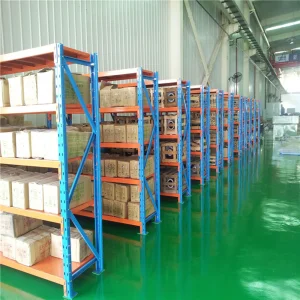
Engineered for extreme capacities, optimum structural integrity, and maximum spatial utilization.
In modern high-precision manufacturing, heavy-duty industrial molds and dies represent the primary structural assets of any production line. Industries such as automotive manufacturing, plastics injection molding, metal stamping, and aerospace hardware fabrication operate with massive toolsets that frequently range in weight from 500 kg to over 5,000 kg per unit. Proper storage of these heavy instruments is not merely a housekeeping concern; it is a critical variable that directly impacts operational safety, process efficiency, and overall tool longevity.
Currently, the global industrial mold market is experiencing accelerated growth due to the expansion of lightweight automotive components, sustainable packaging solutions, and localized high-tech manufacturing. With this expansion, facility footprint costs are rising dynamically. Organizations are forced to look upward, leveraging vertical space. Vertical mould racks provide an optimized footprint ratio, turning previously wasted cubic volume into highly structured, easily indexed storage space. This verticalization ensures that high-value dies are protected from fork collisions, ambient debris, and uneven loading stress.
With over a decade of dedication to metal storage systems, we combine R&D innovation with rigorous quality control to deliver high-capacity industrial shelving worldwide.
Established in 2016, Guangzhou Xinmiao Storage Equipment Co., Ltd. has developed into a premier manufacturer specializing in advanced industrial racks, heavy-duty shelving, and customized warehouse planning. Operating from our state-of-the-art 18,500㎡ production facility, we maintain a robust export stream generating an annual revenue of approximately USD 12 million. By integrating automated manufacturing technology with rigorous engineering inspection systems, we cater to demanding global industrial sectors, including Fortune 500 logistics hubs and tier-1 automotive mold workshops.
Our engineering design process is powered by a team of 68 experienced R&D engineers, who work diligently on structural finite element analysis (FEA) to simulate load distribution patterns, structural deflection limits, and seismic resistance safety limits. Through these advanced methodologies, Xinmiao ensures that every structural drawer unit, lock pin, and upright frame meets the highest safety criteria required by international codes.
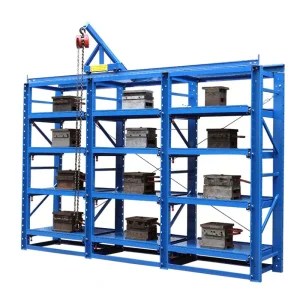
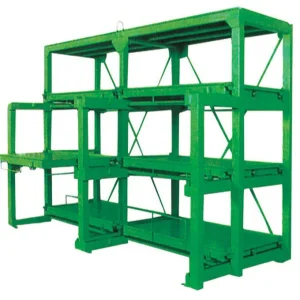
An industrial mould rack is not a standard static shelving system. It must support high-density point loads, resist dynamic forces when sliding drawers are operated, and guarantee the absolute protection of human operators working nearby. The structural engineering of a professional mould rack relies on several key features:
The core utility of a mould rack is its slide-out drawers. Drawers can be designed for 50% to 100% extension. Full-extension models feature dual-rail guide tracks with high-tensile bearings, allowing forklift drivers or crane operators to lift heavy dies safely vertically without any overhead structural obstruction. Drawers are equipped with heavy safety stops to prevent accidentally pulling them out of their tracks.
To prevent structural tip-over (tipping hazard), high-end mould racking systems incorporate an interlocking safety device. This mechanical blocker ensures that only one drawer can be pulled out at any given time. When drawer 'A' is open, the mechanism locks all other drawers shut. This restricts the center of gravity of the entire racking structure, ensuring it stays firmly within the structural footprint limits and preventing dangerous structural failure.
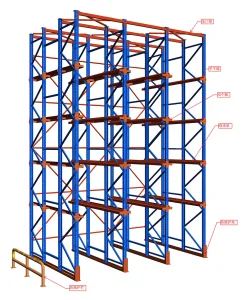
All upright columns are constructed of premium hot-rolled or cold-rolled Q235B or Q355B structural steel. Upright frames are anchored securely to the warehouse concrete floor using heavy mechanical anchor bolts. Lateral and diagonal cross-bracing structural members are bolted to the frames, providing high resistance to lateral sway under seismic or wind loads.
Every racking component undergoes a systematic fabrication pathway inside our factory, maintaining structural consistency from structural design to packing.
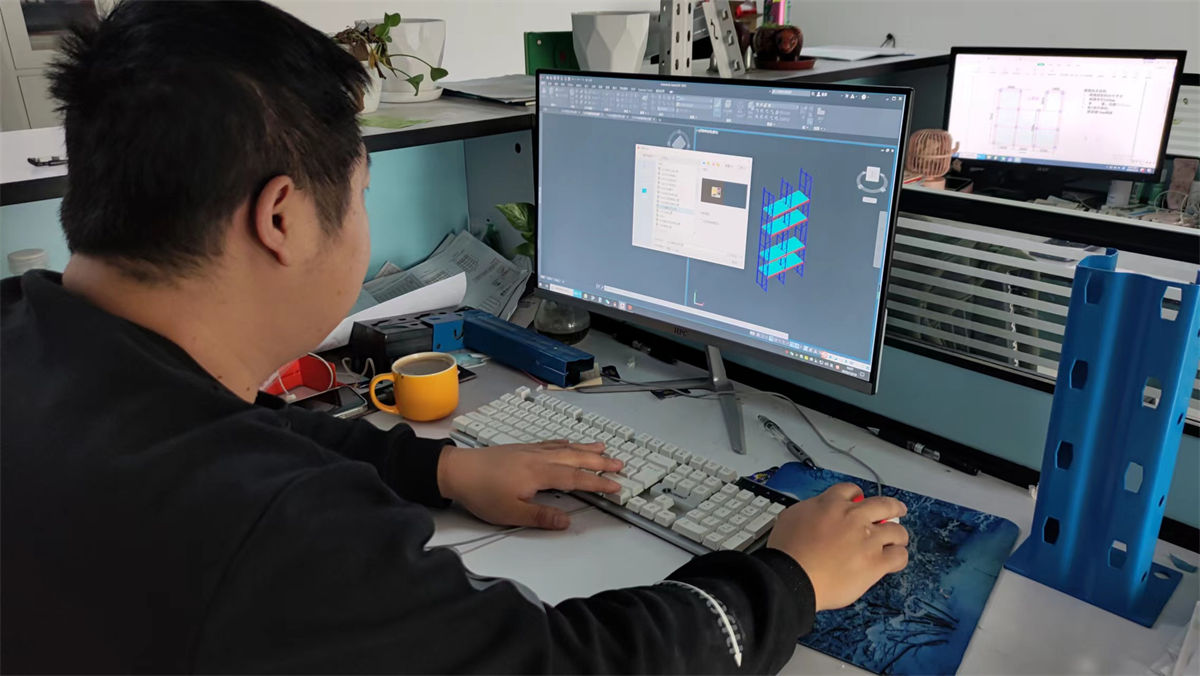
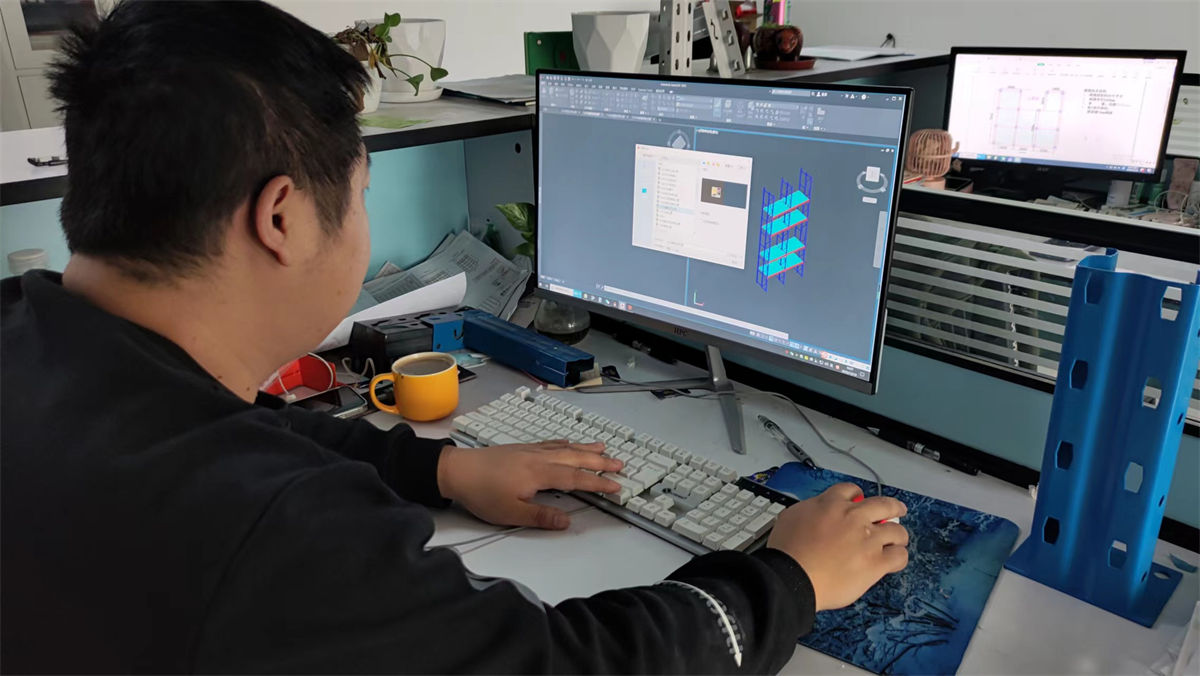
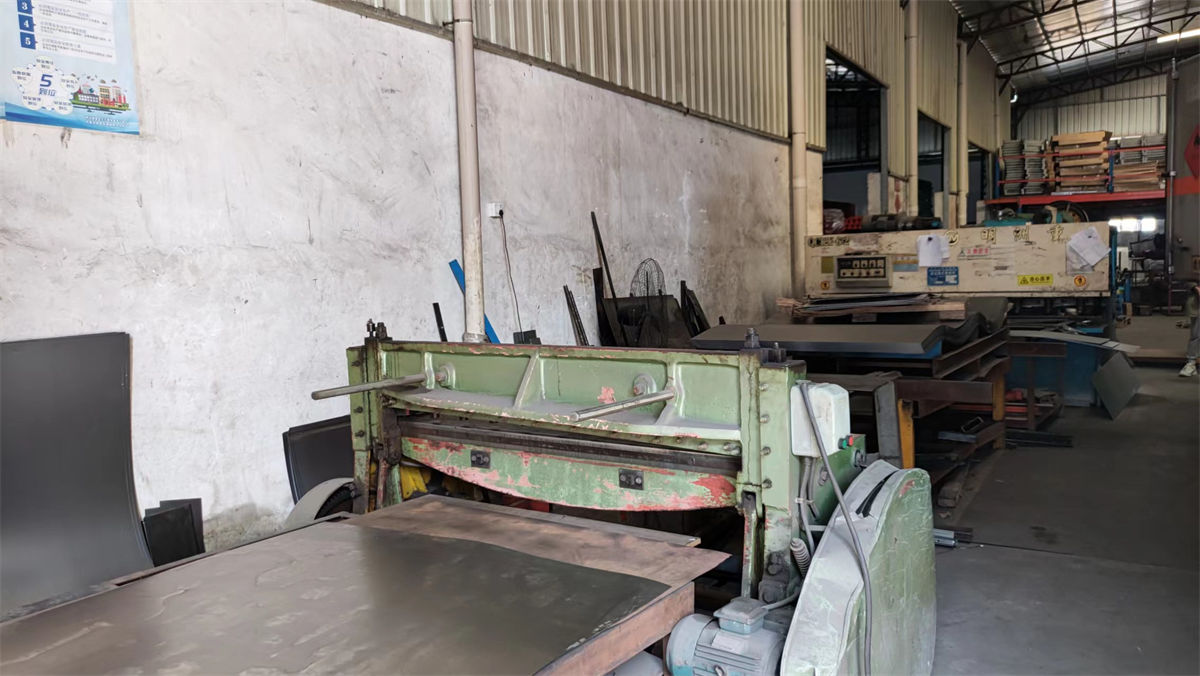
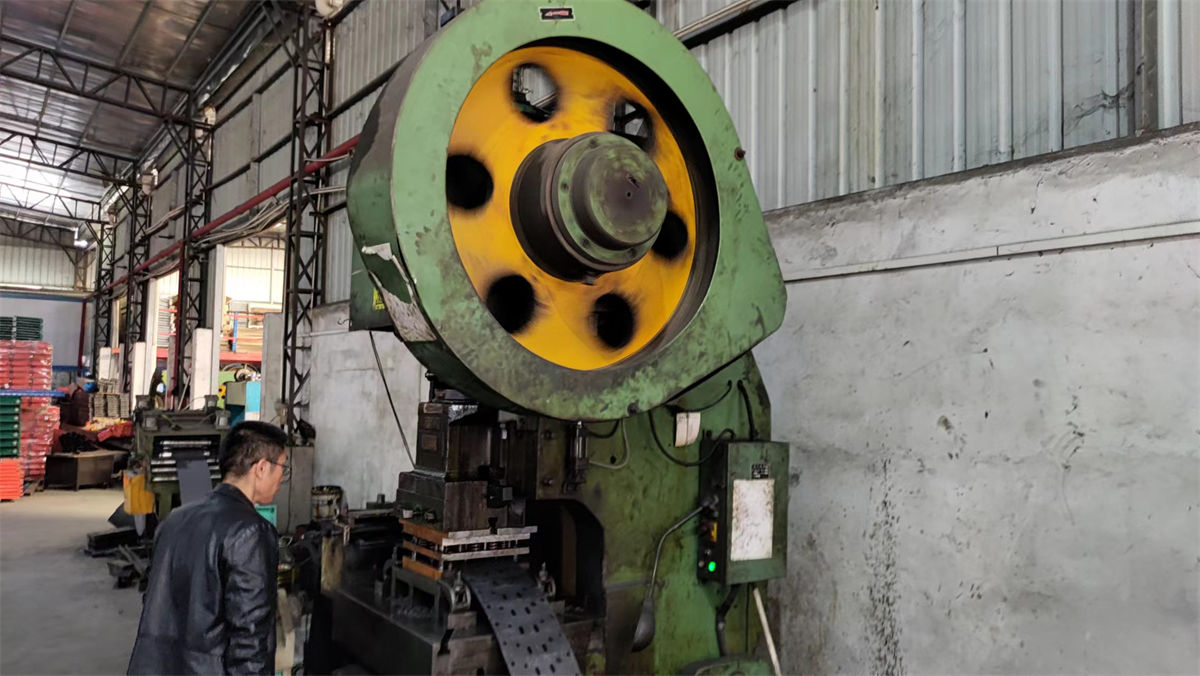
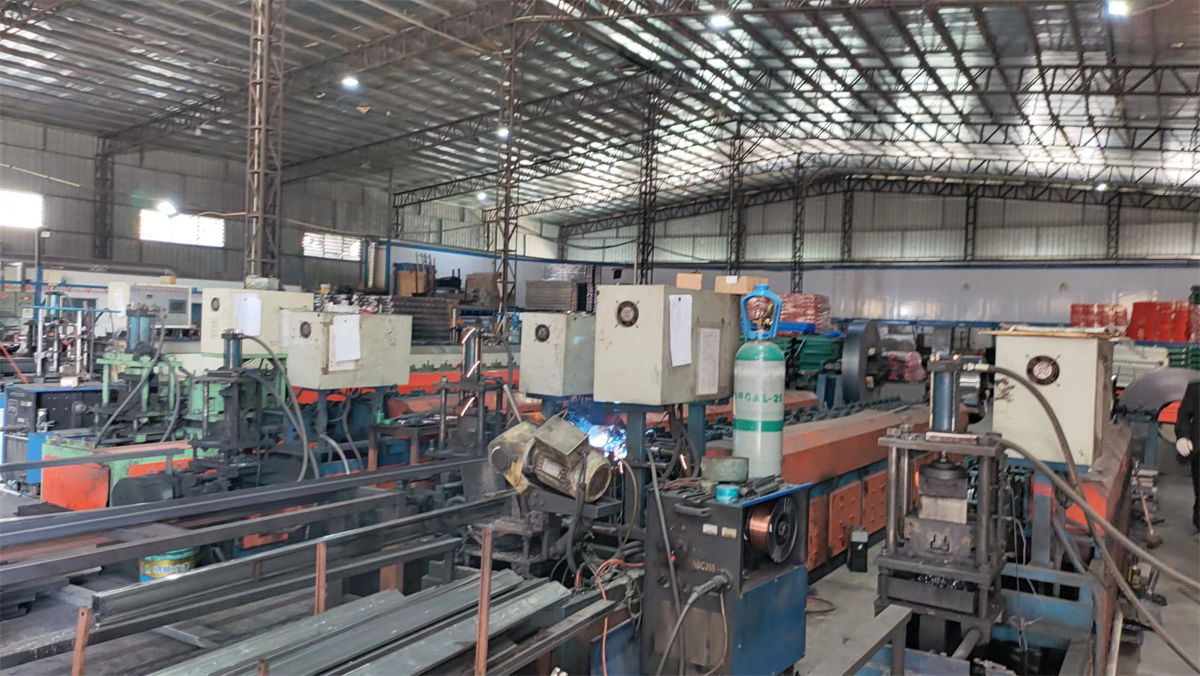
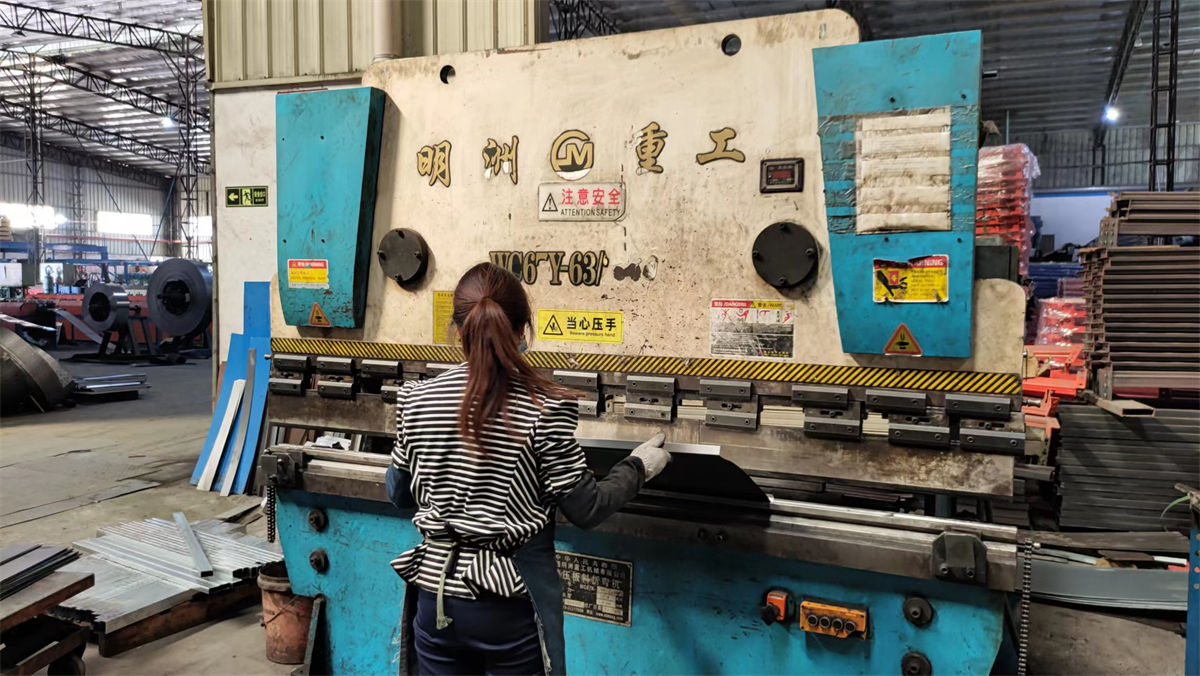
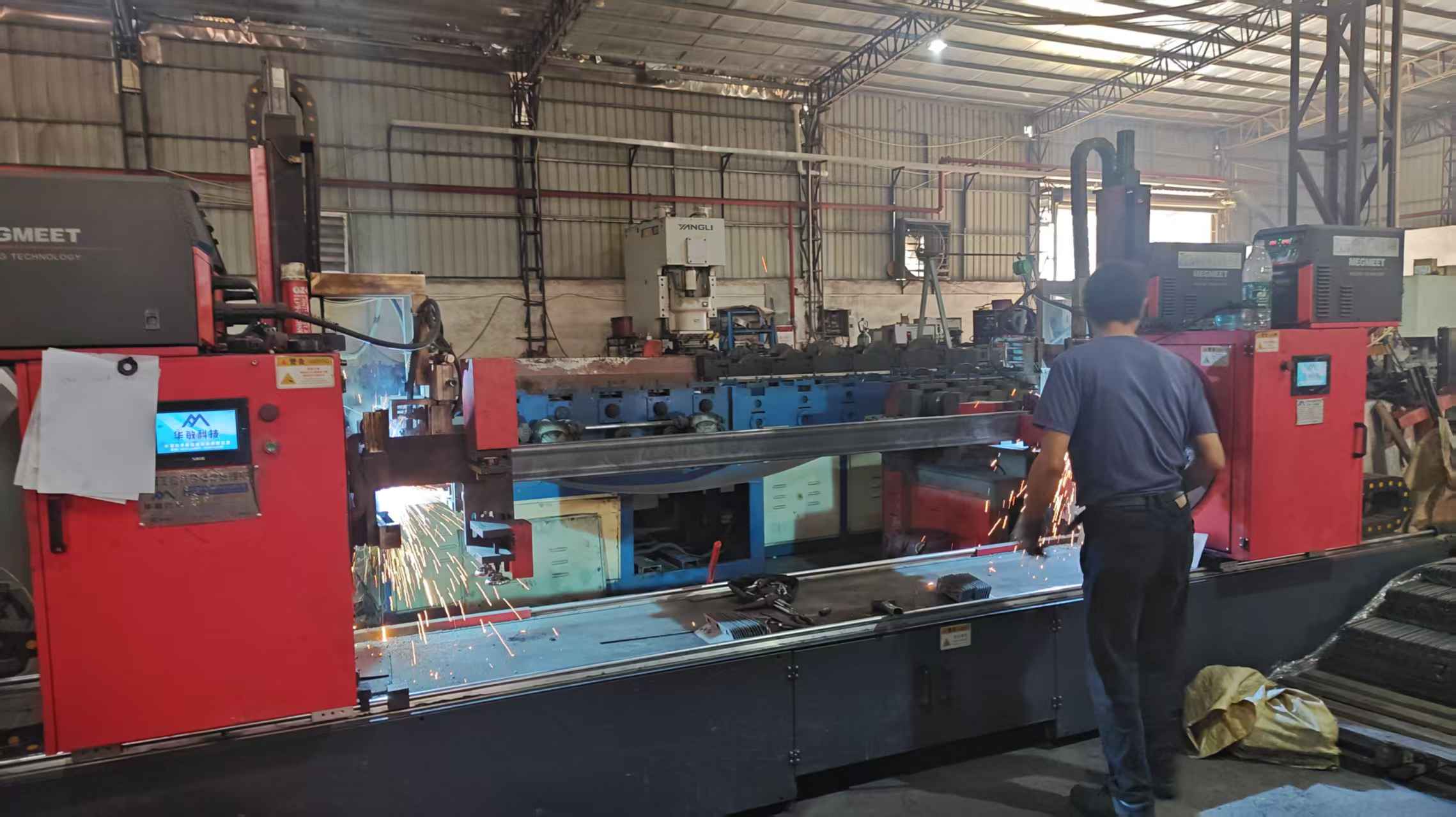
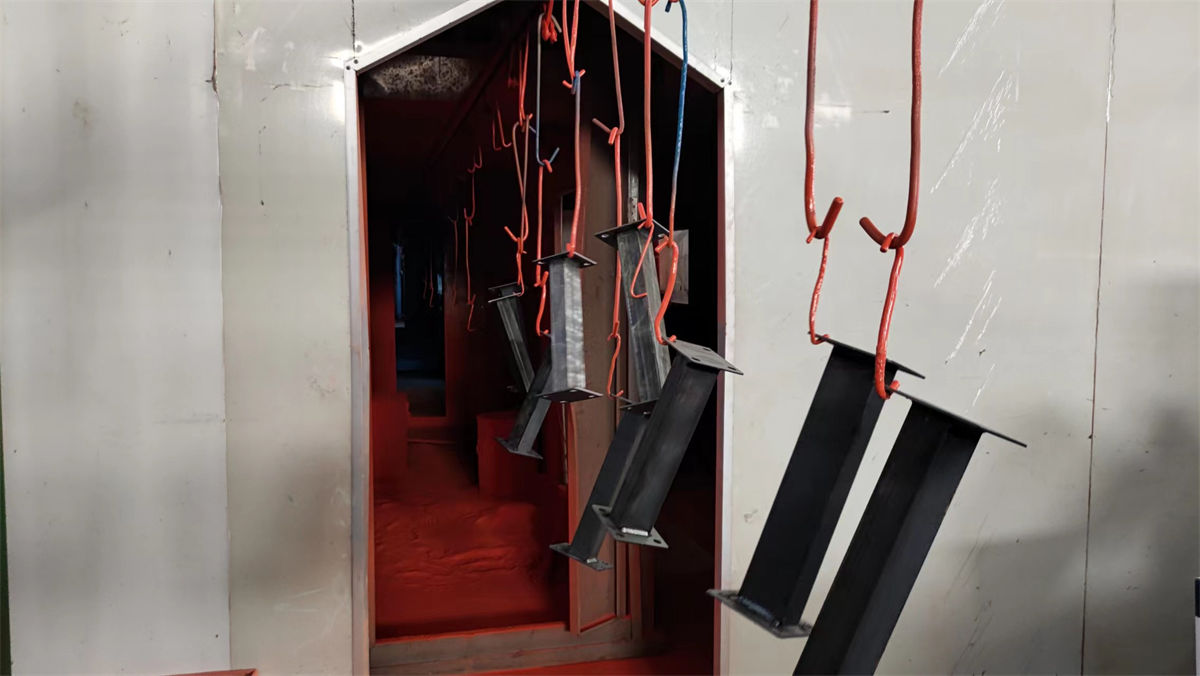
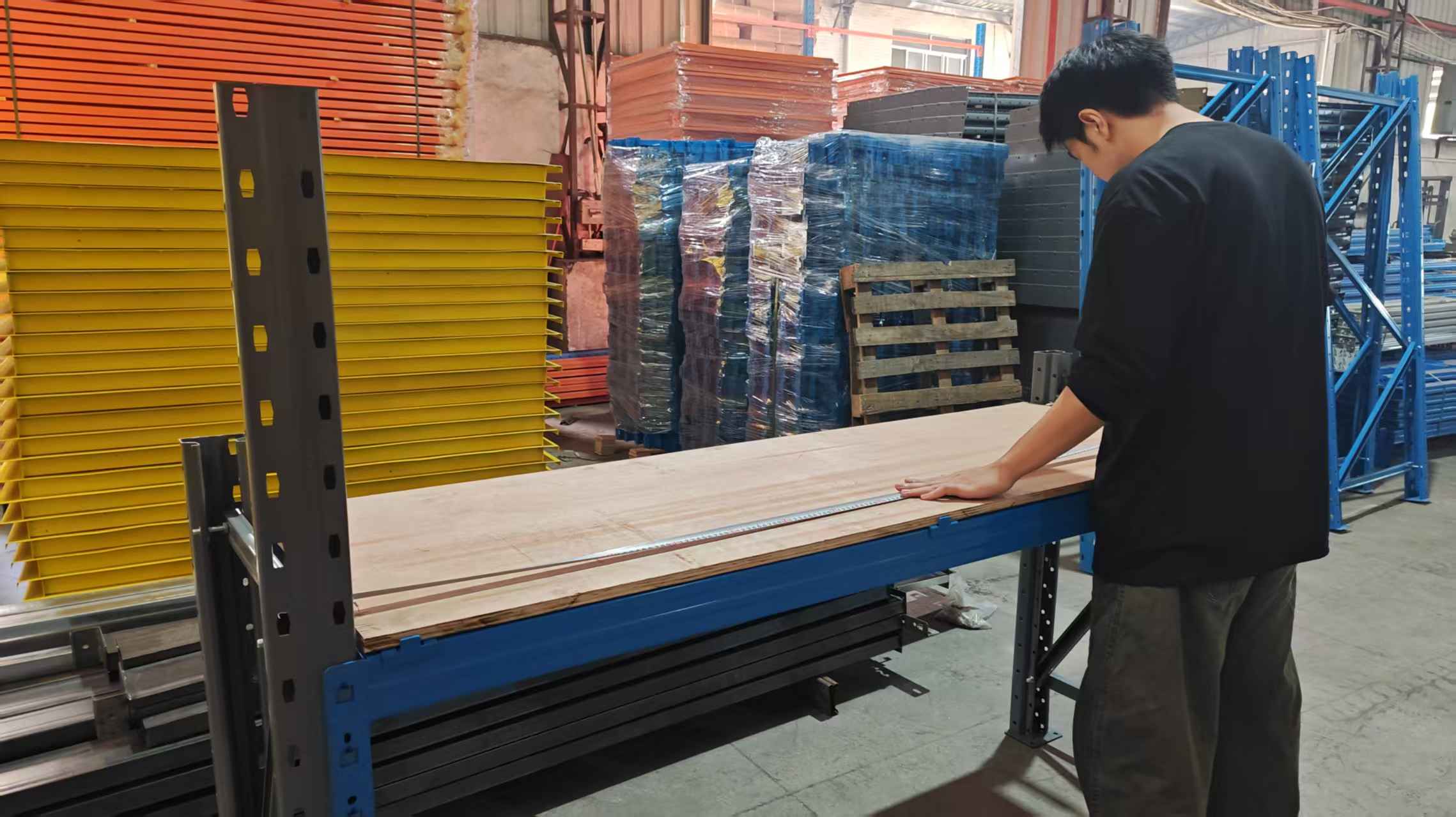
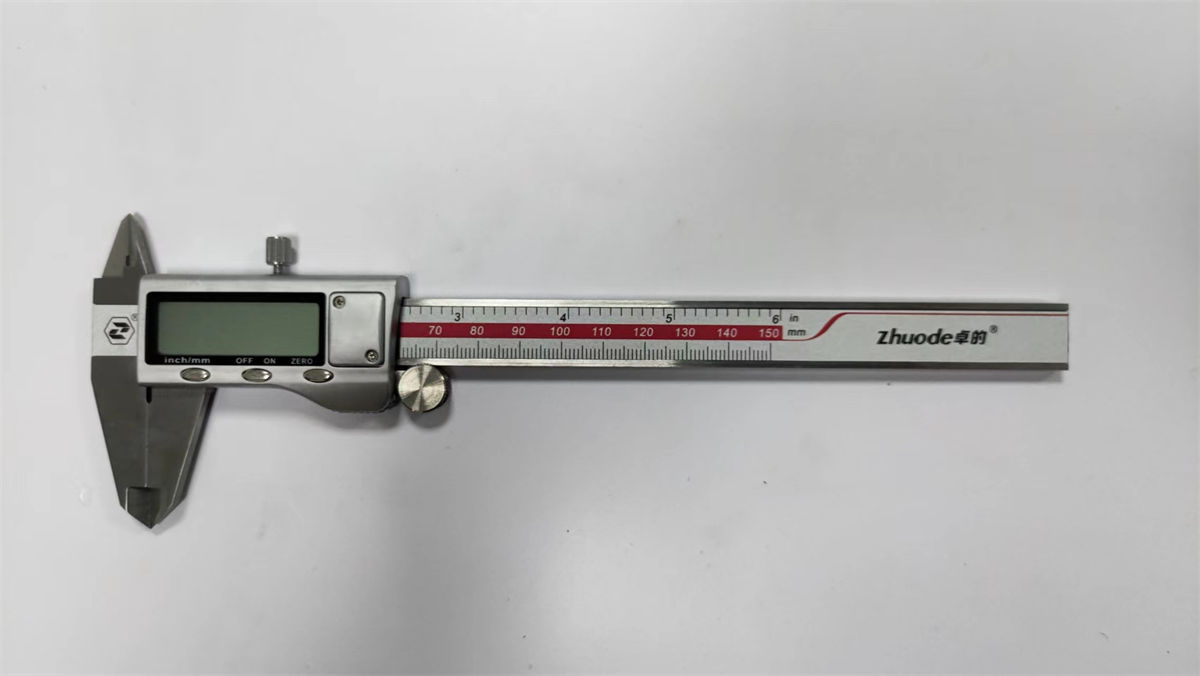
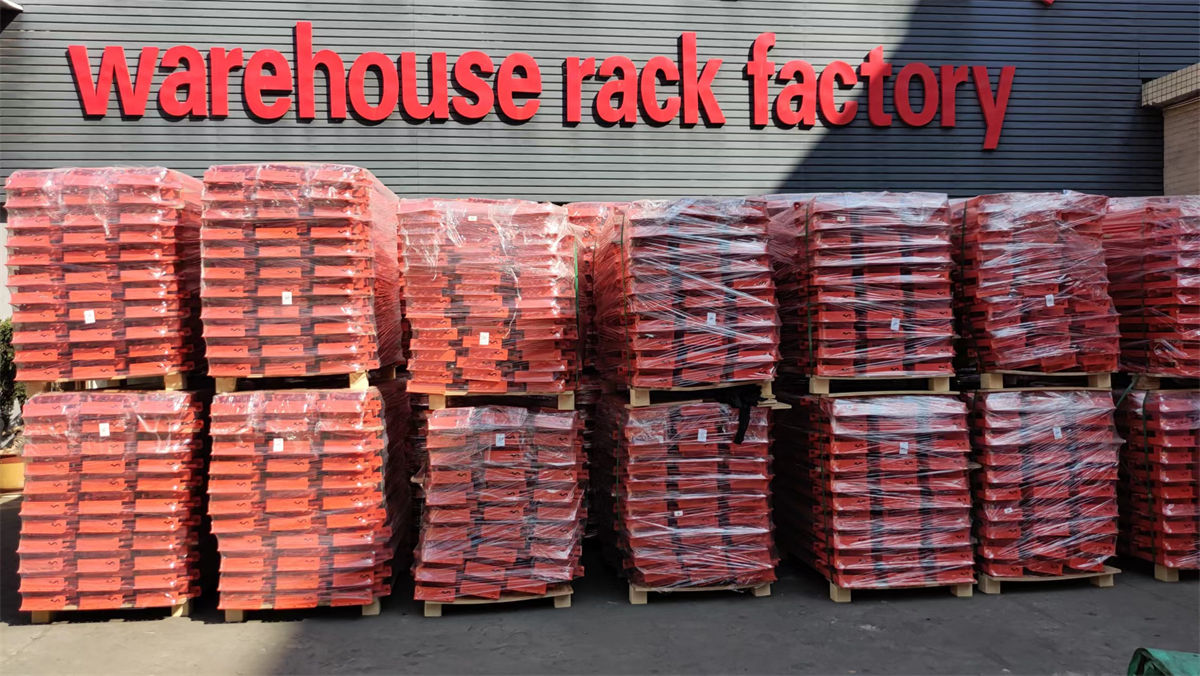
To support this comprehensive workflow, Guangzhou Xinmiao uses advanced machinery arrays:
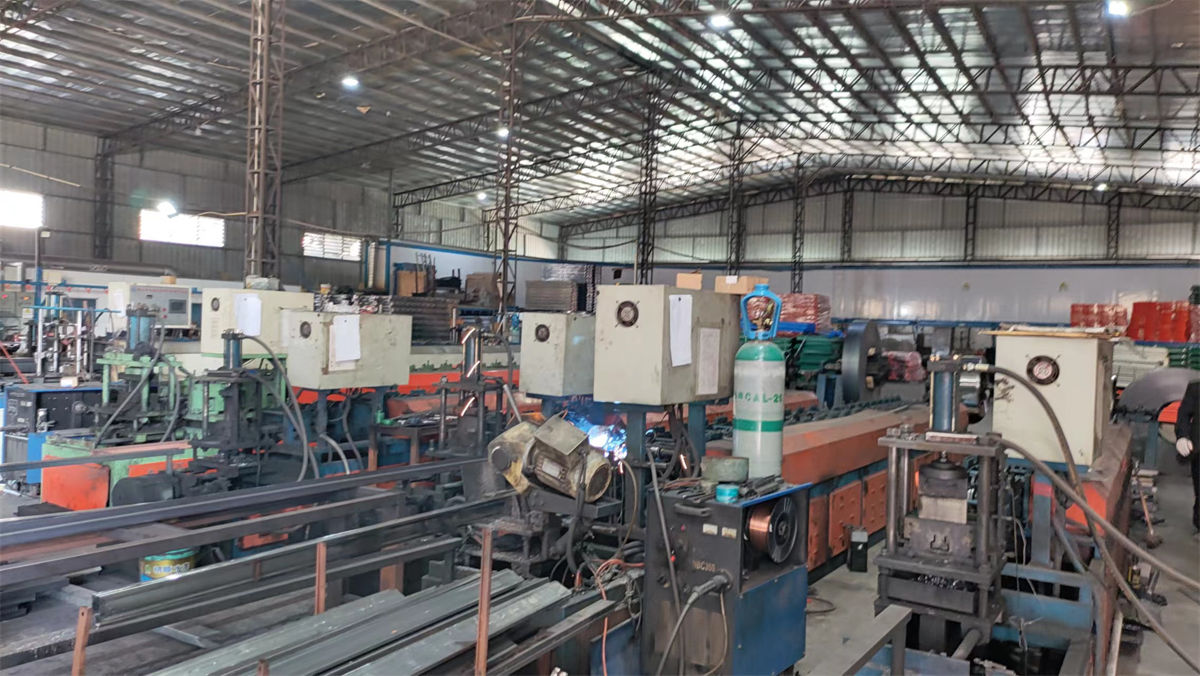
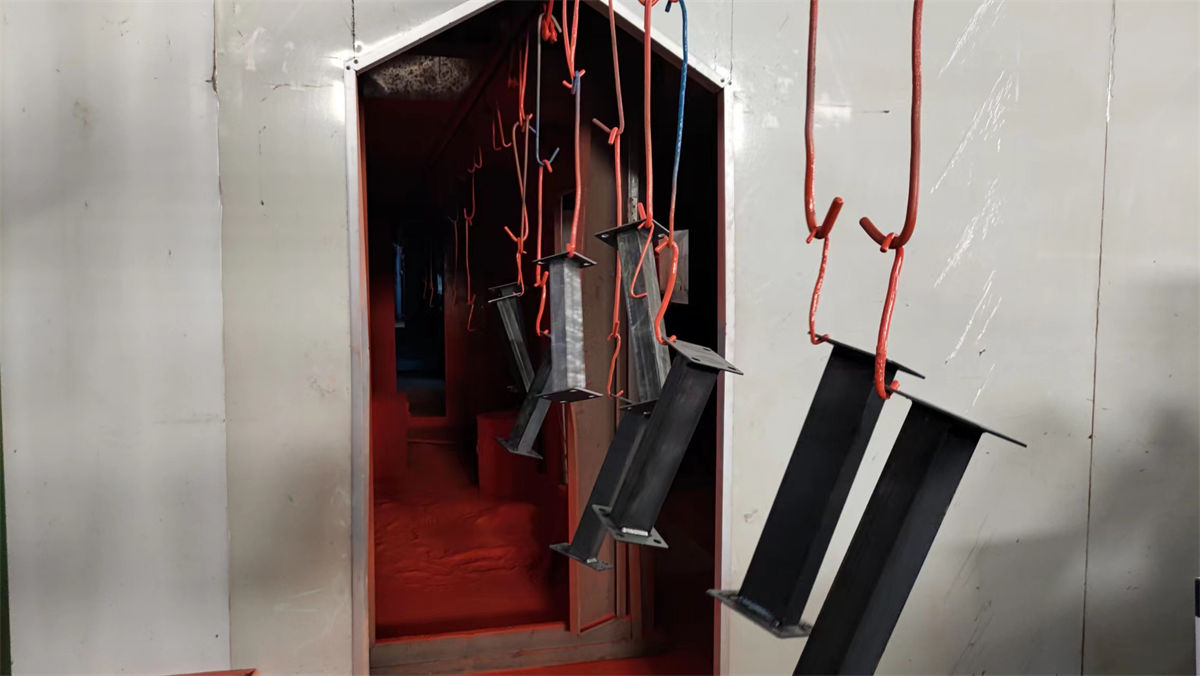
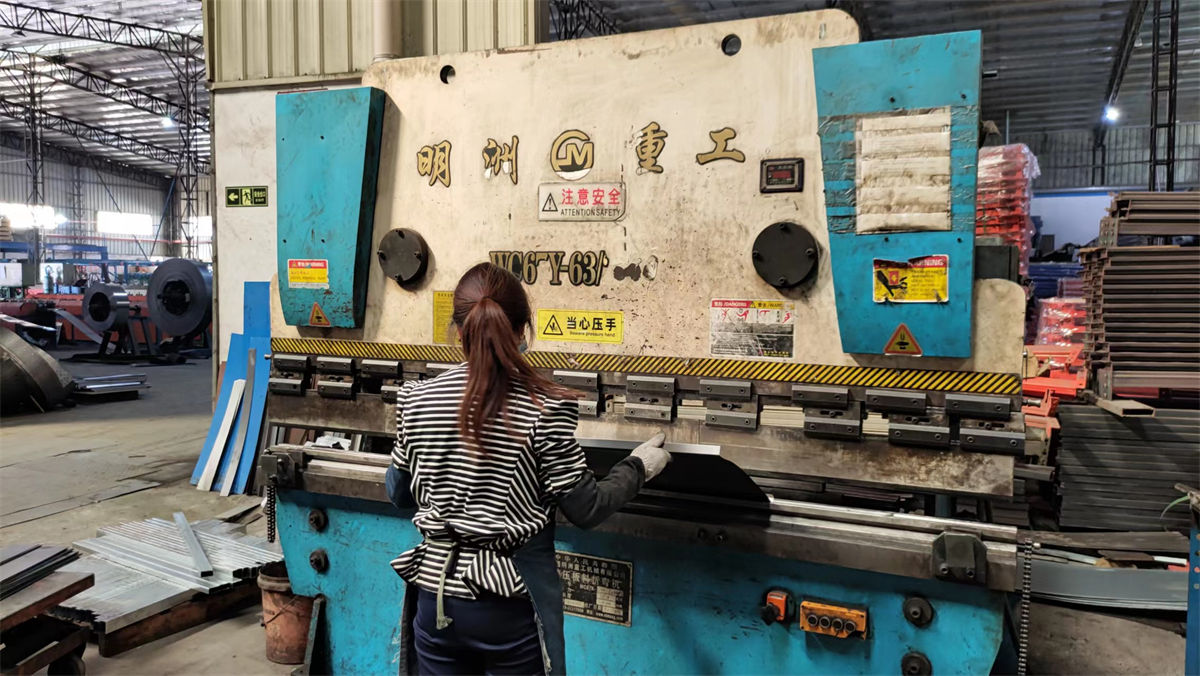
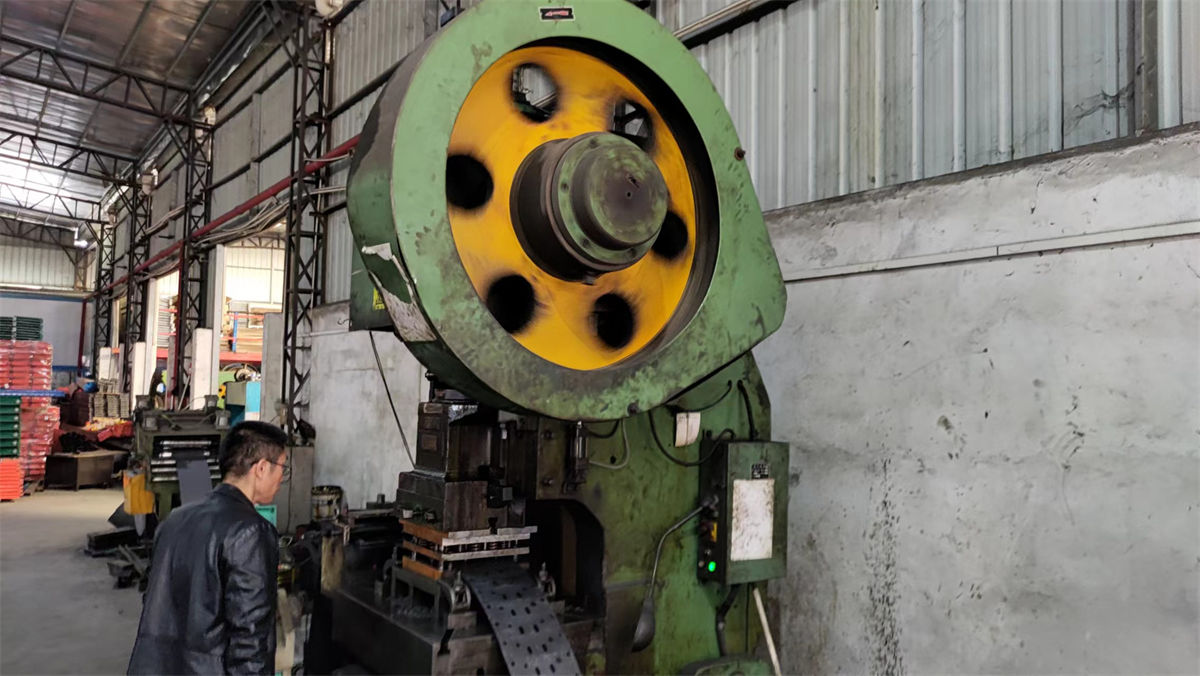
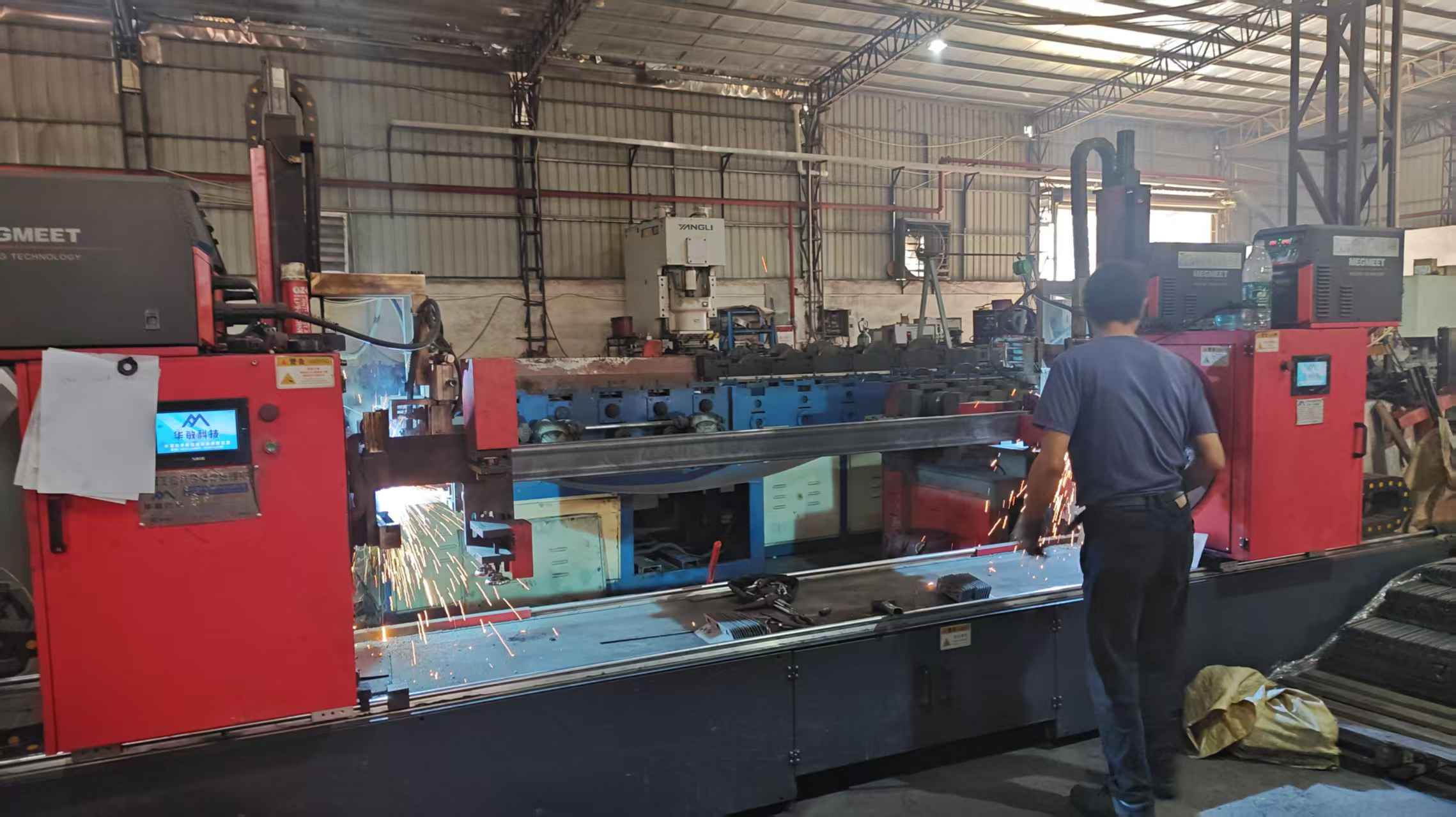
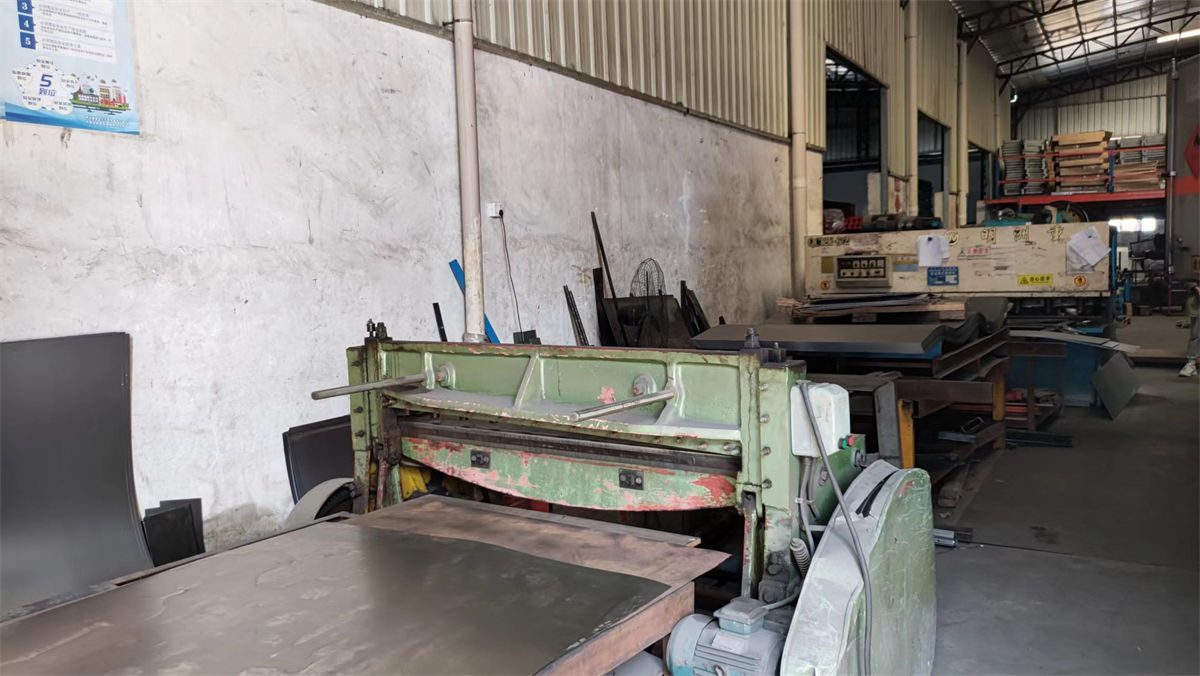
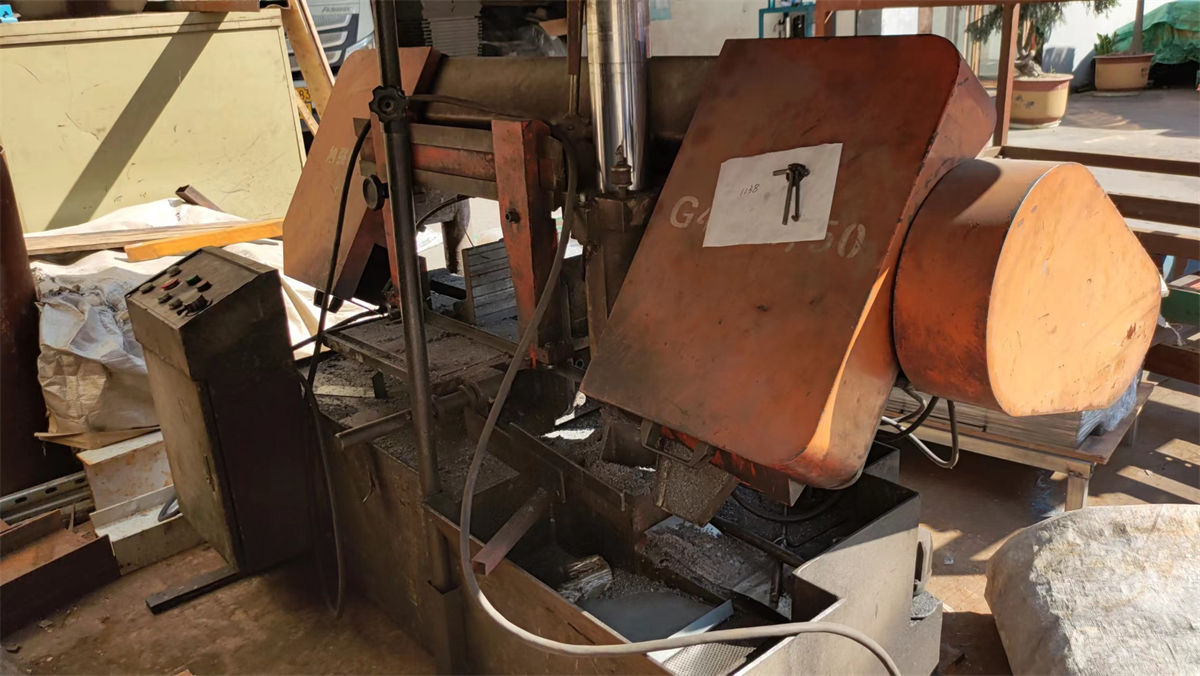
Exporting structural steel components globally requires deep engineering compliance with localized safety building codes. As a leading exporter, Xinmiao matches manufacturing specifications to local demands:
Compliance with Rack Manufacturers Institute (RMI) standards (ANSI MH16.1). Demands high resistance to accidental impacts, structural seismic testing certifications for California/US west coast deployments, and high-tensile safety locking hardware.
Compliance with FEM 10.2.02 regulations, CE certification, and high environmental safety. European markets require precise powder-coating environmental declarations (EPD) and structural layouts that prevent human crushing zones.
Compliance with AS4084-2012 (Steel Storage Racking). This standard mandates structural load testing and regular inspection schedules, requiring clear load signage on every rack frame.
Integrating digital solutions with heavy industrial warehousing systems for the smart factories of tomorrow.
Technical answers to critical engineering, safety, and supply chain queries about mould racking systems.
Maximize your storage density with our heavy industrial product line, engineered for direct factory export.

 Xinmiao Storage